The Checklist: 10 Essentials to Bring With You on Your Next Fishing Trip

PEXELS

If you're looking for a great way to spend time outdoors, you have plenty of options to choose from. Hiking, biking, swimming, skiing, gardening, metal detecting, and camping are only a few of the options available to people who enjoy the great outdoors. Of course, fishing can't be left out of the mix, either. Quite a few people choose to spend their leisure time waiting for their right fish to come along and take the bait. In fact, more than 850 million fishing expeditions take place each year. Whether you're planning your first fishing trip, booking a fishing charter, or simply getting ready for one of your latest outings, taking along the right equipment is essential.

Getting Geared Up for Your Fishing Adventures

Having the right gear with you is the key to making the most of your angling experiences. Having said that, knowing exactly what to bring isn't always a simple matter. After all, you want to have all the essentials, but you don't want to pack so much gear that you end up being overloaded. Though you can find more details from Johnny's Sport Fishing about certain must-have fishing equipment, we'll go over some of the basics right now.

1) Fishing Rods

This may seem like an all-too-obvious point, but your entire fishing trip experience is going to be centered around the fishing rods you bring. Be sure to have the right rods on hand. Some offer multi-purpose functionality, but others just aren't right for all types of fishing. One of the main factors to consider is the rod's length. Longer rods tend to cast farther, but shorter rods often give you more control over where your line goes.

The type of water you plan to fish in also changes what you need to carry. Saltwater environments require much sturdier gear than a quiet day at a local pond. Many travelers choose to book Tamarindo fishing charters because these services have all the heavy-duty equipment needed for big game. This saves you the trouble of buying and carrying expensive rods that you might only use once. Having a local guide also means you get to use gear that is maintained for the local fish. It makes the process much easier for those who are new to the area.

Weight, power, and action also factor into the equation when deciding which rods to take with you on a fishing trip. You'll learn more about those elements over time, and more experienced anglers can help you understand why they're important. Eventually, you'll instinctively know which rod will work best for your plans. At the same time, it's important to remember to bring more than one rod. If one break or the line gets hopelessly tangled up in the reel and you don't have a backup, you'll have to pack up and call it a day much earlier than you expected.

2) Extra Reels and Line

If you're using rods with detachable reels, don't forget to bring extra reels just in case something happens to the one on your primary rod. Additionally, bring an extra spool or two of the fishing line in case the supply in your reels runs low. There's always a chance you'll need those extra essentials whether you're using an expensive, high-quality rod and reel or the cheapest model you could find at your local sporting goods store.

3) UV Protection

Anytime you're going to be outdoors for any length of time, it's a good idea to bring protection against sunburn and skin damage. Exposure to the sun's ultraviolet rays can cause painful short-term effects and have dangerous long-term consequences. Sunscreen, sunglasses and a hat will safeguard you from those long hours in the sun. Since you'll be in or near the water, waterproof sunscreen would be your best bet.

To further protect your eyes and enhance visibility on the water, consider wearing polarized fishing glasses with prescription. These specialized glasses reduce glare from the water’s surface, making it easier to spot fish while keeping your vision clear and comfortable. They’re especially helpful for those who need corrective lenses but don’t want to compromise on performance during outdoor adventures.

4) Shoes and Long Pants

Heading out on a fishing trip in shorts and sandals or flip-flops may be a tempting thought, but it's not always the best approach. This is especially true if you're fishing by a lake or stream or trekking through the woods to get to a good fishing spot. Numerous hazards await you, ranging from bees and mosquitoes to saw briars and snakes. Wearing long pants and thick shoes can help protect you against those dangers.

5) Long-Nose Pliers

Long-nose pliers are a must when you're going fishing. You'll need them to help get the hooks out of fish's mouths. You can do it manually without the help of any tools, but long-nose pliers will make it much simpler and safer. This simple tool will also come in handy for many other tasks, including clamping weights onto your fishing line, repairing lures, and bending hooks back into shape if the need arises.

6) Knives

Having a couple of good knives in your arsenal is also crucial. If you plan to clean the fish on-site, you'll need the right knives for the job. A nice pocket knife can help with cutting your fishing line if need be or even opening your bait as well. You'll also find a number of other situations in which knives will help make your fishing trip a success.

7) First-Aid Kit

Everyone needs a well-stocked first-aid kit at home and on the road. You can purchase inexpensive first-aid kits at any number of stores. They generally contain bandages, antibiotic ointment, medical tape, and other basic supplies. You can also create your own first-aid kit. Making your own allows you to customize the kit with items that won't be available in standard, over-the-counter versions.

8) Waterproof Baggie

Consider having a waterproof baggie on hand for items like your phone, wallet, fishing license, and such. You can buy special baggies for purposes like this almost anywhere. Of course, you could also simply use a sturdy zip-lock bag from your kitchen.

9) A Cooler with Ice

Be sure to bring a cooler and ice with you when you go fishing. Stock it with drinks initially to keep you hydrated while you're out in the heat and sun. It'll also give you a place to keep your fish cool and fresh until you can get them home.

10) Bait

Plenty of people may roll their eyes at this point. After all, you can't exactly catch fish without bait. Still, you'd be surprised at how many people take off on a fishing trip and realize once they reach their destinations that they've forgotten to bring bait. It even happens to the most experienced anglers. Whether you fish with crickets and nightcrawlers or lures and stink bait, make sure you have an ample supply before you get where you're going. You may be able to find a few grubs and earthworms by digging around in the right places, but you probably don't want to spend half your trip searching for bait.

Making the Most of Your Fishing Trips

Those are a few of the items you should always have with you when you go fishing. Several other tools and resources can be immensely helpful as well. As you spend more time fishing, you'll get a feeling for what you need and like to have on hand to tailor the experience to your preferences. You can keep some of these items in your tackle box along with extra floats, sinkers, and other basic supplies. No matter what type of fishing you do, having the right equipment will help you make the most of the trip.

Four Incredible Ways to Re-purpose Your Garage

For many homeowners, especially those without a car, the garage is a wasted space, a clutter of useless stuff you never had the heart to give or throw away. But if you don’t have a car or have a better place to park it, you could use your garage space so much better!  

Renovating your garage is not as expensive as you might imagine. You should start with air conditioning  (if you plan on using the garage as a living space) and replace your old, worn-out garage door with new ones sold by companies like  Rockstar Garage Doors.  

Sure, renovating your garage does take some money and effort, but the result can be well worth it. Although, it might be that you just need to spruce up your decor in order to give your garage a whole new look. For example, you could purchase some neon signs from websites like NeonMama.com to give your garage a modern and bright look - this would change the vibe of your space without major cost. In this article, we’ll give you a few ideas on how you can breathe new life into your old garage.
 

Reasons for Installing Corrugated Iron Roofing for Home Improvement

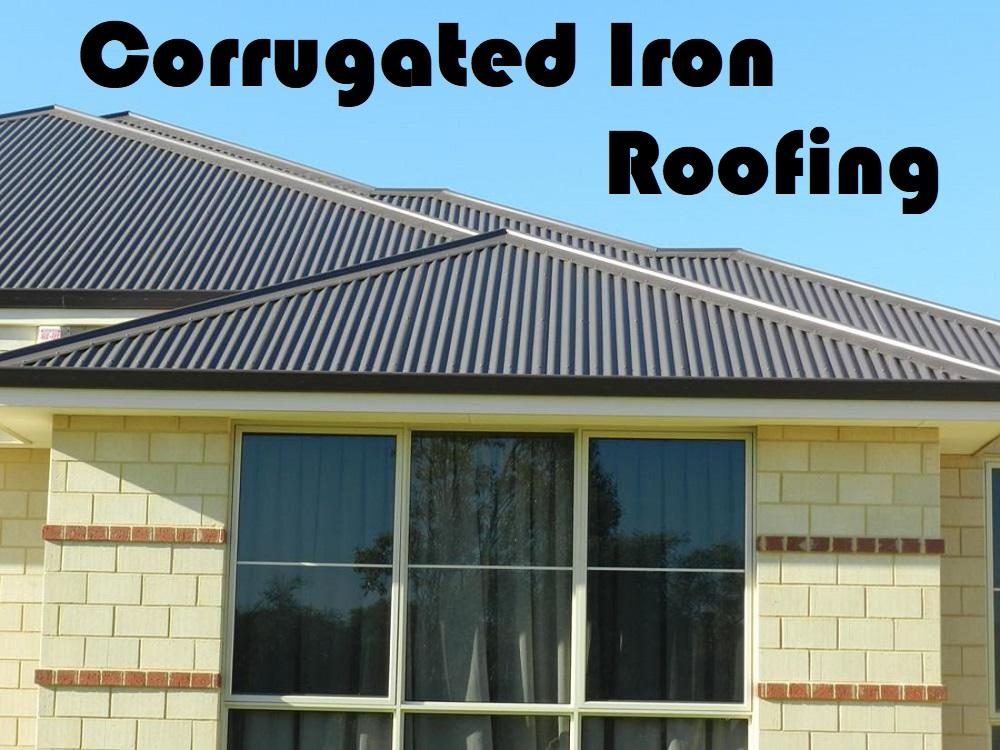
Undoubtedly, one of the most important parts of our house is the roof. Therefore, we have to make sure that we have the perfect kind of roof installed at the top of our house, and contact a reputable roofer Chandler (or similar) to come and handle it. There are a variety of options available for roofing. One such type is corrugated iron roofing. It is simply a system that comprises metal panels held together by exposed fasteners. These have been the number one choice in most sectors such as the agriculture and commercial industries.

However, these corrugated iron roofs are now gaining popularity in the residential market. With a number of options to choose from the customers prefer the galvanized iron type of roofing. There are various benefits that we get from installing this type of roofing.


Here is a list of some of the benefits which we get from installing corrugated iron roofing.

  • Durability: The topmost reason why the corrugated iron roofing system is gaining popularity amongst residential homeowners is that it is extremely durable. The galvanized iron coating is not easy to penetrate and creates a protective layer on the metal plates. Hence, it makes them the perfect choice for roofing options which can then be installed by your local Denver roofer, or wherever you live. As we know that the roof of our house is open to various threats which include birds, animals, etc. making our roofs their home to the forces of nature. Therefore, having a durable roof can help us in many ways. The roof does not get easily affected by weather conditions. These roofs help us keep out the pests and rodents from our house. Therefore, this is an advantage that we cannot ignore and have to take into consideration.

How Does Parenting Change With A Chronic Illness?

It's one of the most intense moments in your life to be diagnosed with a chronic illness. Conditions that will change your life forever are never really going to become normal. We have our lives planned out and not once did we ever think we were going to either pass away sooner or live in pain for most of our remaining years. It's even more daunting when you have a young family to raise. A million worrying thoughts will go through your mind in a single moment. How will you take care of your kids, can you do chores like washing their clothes and cook them dinner or helps them with their homework? How long will you be able to manage on your own before the later and more aggressive stages of your illness begin to show up? It's an incredibly difficult set of circumstances. To stay on top of these challenges, you must plan ahead and change the way you live based around your condition.


Ask for help
Local authorities are one of the avenues you can go down to ask for help. Many local authorities will actually assign helpers and carers to families with parents that cannot cope with the number of things their children need. This may be to simply cook dinner or to help them with their homework. If parents with chronic illnesses have slowed down and are unable to provide the basics such as this, local authorities must be contacted. Such entities of governance will want to step in and provide some kind of support because the last thing they want to have to do is take the children away. So, it's within your right to ask for professional services from the local authorities to help around your home and make life as normal as possible while you cope with your health condition.

Caught In the Care Sandwich Of Young Kids & Elderly Parents

It doesn’t matter who you are, what you do, what social background you are from, your ethnicity, gender, religion, or anything, there has never been a better time to be alive than now. As a society, we are so tolerant, so caring, so interconnected, so mobilized, and just generally so much more awesome.

But for all the movements and changes that have improved society as a whole, there is one that still hasn’t really got the attention that it deserves: looking after our elderly parents.

The problem most people face nowadays is, as a whole, couples are having children much later on in life, something that has seen more and more families have to care for their elderly parents at the same time they care for their young children, which has to be one of the most challenging balancing acts ever known to humankind. But not just challenging; complex and emotional too.

You’re having to balance your own needs, your family’s needs, your children’s needs, and the needs of your elderly parents who, let us not forget, are the people that brought us up. Nonetheless, it is this complete u-turning-role-reversal that is so hard to get used to. Suddenly, you are having to play parent to your parent and that’s not easy to accept or do.

You are, in case you are wondering, part of the Sandwich Generation, which isn’t just hugely under-talked about, it is also on the rise thanks to couples having children later, kids not being able to get onto the property ladder, and people living to a much older age. It’s tough.

So, without further ado, here are some things you can do to keep the plates spinning and the people in your life smiling:

1. Always Seek Some Support
Nothing is going to take the stress of so much responsibility away, not completely, but sometimes just having someone to talk to, vent out or cry with can lead to a massive sense of relief. We know it’s never easy, but you should really try and talk to your family and friends about what you are feeling and what you are dealing with. Don’t feel guilty for it because it’s a lot to handle, just talk. If, however, you don’t want to talk to people you know, try joining a local support group of some kind. What you’ll find is, well, you're not alone; your feelings are not isolated. Here’s the best bit about finding a support system though: not only will you be able to get the support you need or the advice that will help, but you will also be able to support others too.

2. You Don’t Have To Be The Fulcrum
All too often it can feel like you need to do everything, which is because you take on most of the caring responsibilities. But that doesn’t have to be the case. You don’t have to do absolutely everything yourself. In fact, we recommend you don’t. We recommend you find out a system where everyone can help everyone. It could be that your kids take on more chores around the house, something that will take the burden from you and teach them independence. Alternatively, you could schedule time each day where your elderly parents entertain your young kids; teach them to paint or help them conquer puzzles or anything like that. This will remove some of the responsibility and time and that can make a world of difference.

3. Know Where To Care
It may seem like an unusual point to raise, but there are actually many options to consider. For instance, if your parent is determined to remain in their own home, you’ll need to assess whether you can realistically schedule time to support them yourself or if hiring a homecare visitor for personal tasks would be more feasible. If neither option is workable, individualized memory care services might be worth exploring. As mentioned earlier, finding a solution could also mean leaning on each other for support and working together to make it manageable.

It could be that you have a spare room, you might need to add a fully-fitted garden room to your backyard, or if mobility is an option, give up a downstairs room. Of course, if none of this is viable (and, let’s be honest, there would be a lot of stress and strain with both), you should consider more long-term care options, such as moving your parent into a care home. To do this in the most loving way possible, we recommend you keep your standards high and look around ones that still promote a lot of independence, offer a wonderful community spirit, and all the amenities a person could want.

4. Self-Care Still Needs Focus
When we were growing up, we were taught you won’t be able to properly look after someone else if you don’t take care of yourself first. And it’s true. Plain and simple. The problem is, it can be so easy to stop looking after yourself when you have to look after both your children and your parents at the same time. It’s natural to stop prioritizing yourself when life is hectic. Don’t let this happen. Our advice: pop a note on your fridge that reminds you to exercise, eat properly, get enough sleep, and see your doctor regularly. Don’t just stop there, though. Find a way that you can have some time too. It could be that your best friend can have the kids for a night and your sister can look after your parents, in which case go and enjoy whatever it is you love doing. The more you look after your own sanity, physical wellbeing, and mental health, the easier you will find it to care for those you love.

Like we said, if you’re feeling the pressure of looking after your parents and your kids simultaneously, you are not alone. So don’t let yourself feel as though you are and don’t feel guilty if you start to struggle. The best thing you can do is accept the hardships and then find a solution for them.